1.
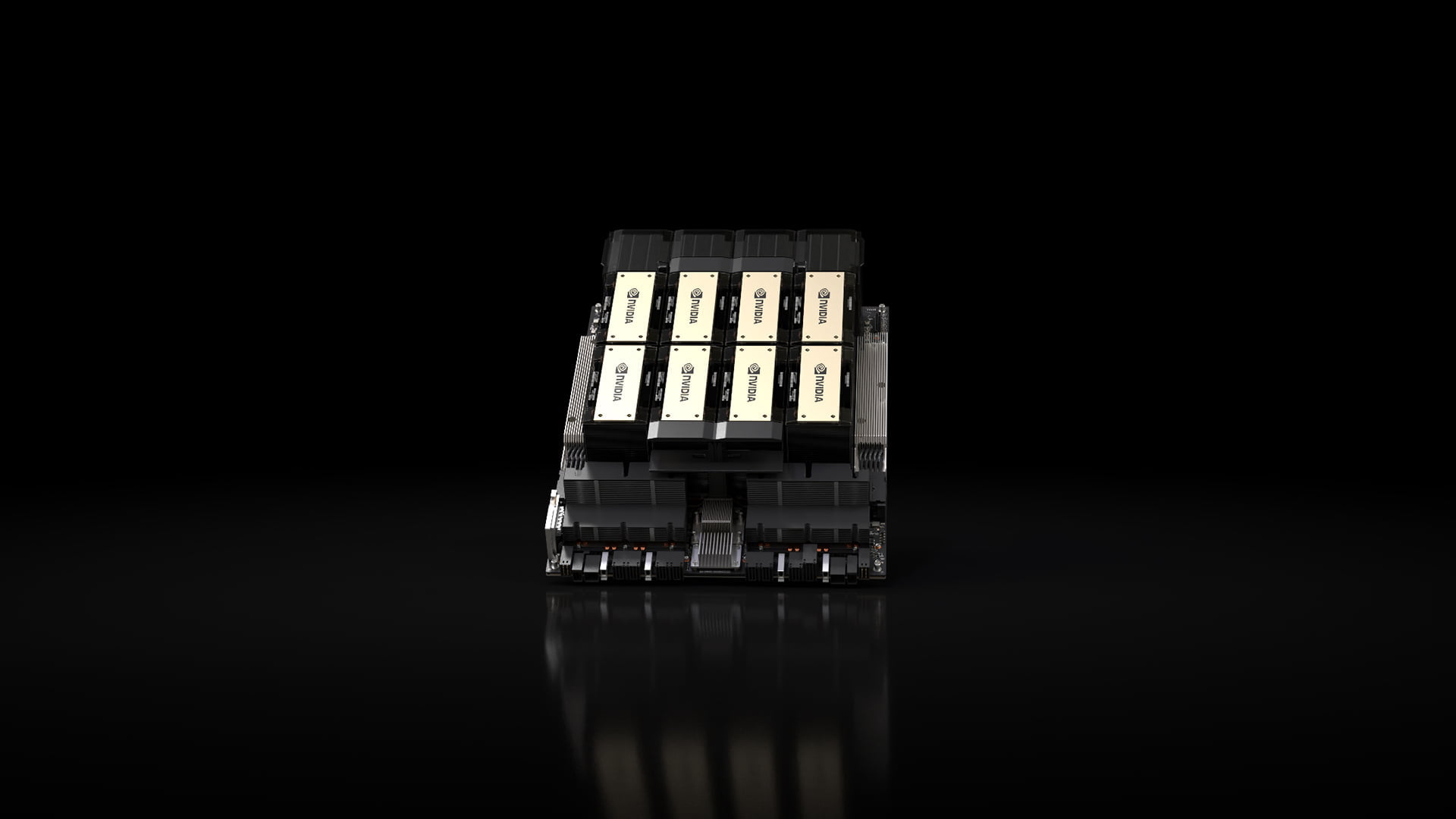
Nvidia reported that AI server prices rose about 15 percent as DRAM shortages increased costs for servers using Vera Rubin and Grace Blackwell chips, affecting cloud providers including Microsoft, Google, and Meta.
2.
Anthropic's access controls were bypassed through a gray market in China that sold Claude tokens for as little as ten percent of the list price, and analysts warned the circumvention weakened export controls and Anthropic's safety systems.
3.
OpenRouter recorded that AI agents had consumed more tokens than humans since February 6, 2025, with agentic usage increasing 14-fold while human usage rose 2.8-fold, and nearly 70 percent of agent token consumption came from cached prompts.
4.
Researchers concluded in a theoretical study that even with perfect language models AI could cause researchers to produce more papers of lower quality because time savings would be redirected to starting new projects; in two of three modeled scenarios the quality of individual publications declined.
5.
Andon Labs' AI agent Luna fired a human employee at a San Francisco store after operators prompted it to follow its rules; when the scenario was replayed across seven models, more capable models more consistently recommended termination while weaker models hesitated, and nearly all models were uncritical in hiring decisions.